


Why Choose Us?
Four reasons to trust us with your dental care

Professional dentists,
professional expertise!
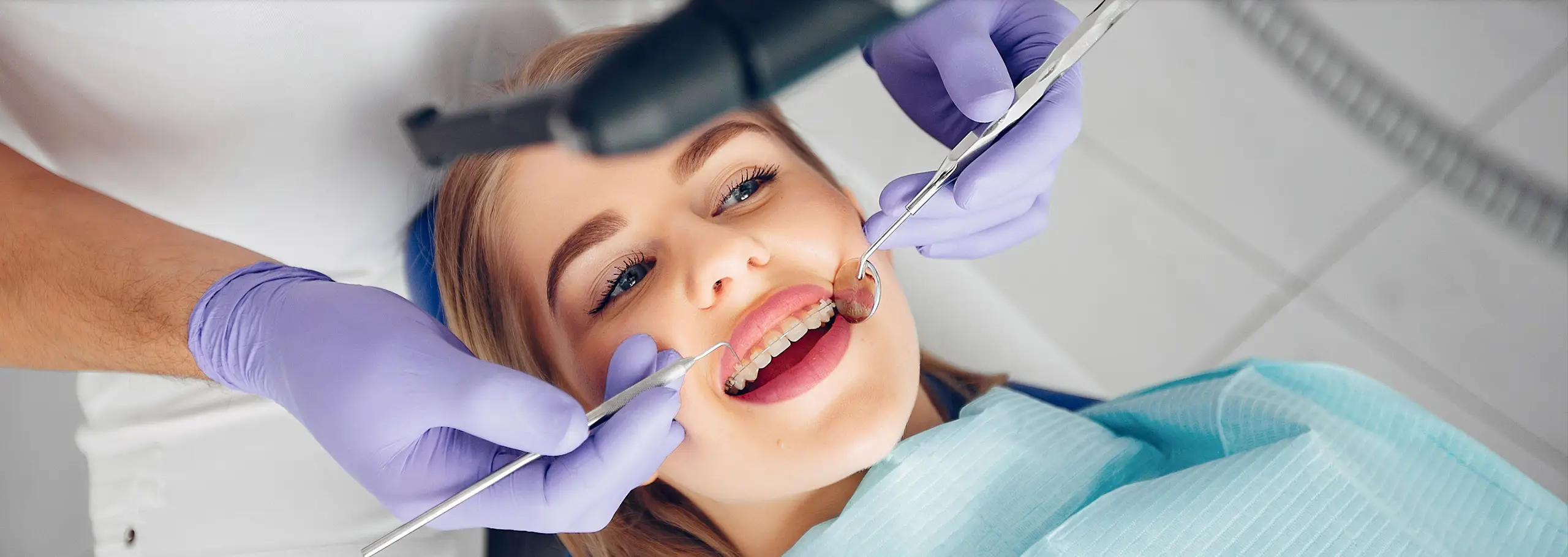
Our colleagues' outstanding expertise and experience guarantee that you always receive the best possible care.
A wide
range of services
Our wide range of services covers every dental need. You will find a solution for everything in one place.

Quick
appointment booking
Booking an appointment with us is simple and fast. Our colleague is happy to help even by phone!

Easy accessibility
We offer free parking for our patients right next to the practice!









A warm welcome to the ProMedicum Dental Centre!
Why are we afraid of the dentist? Perhaps because of pain, discomfort, the fear of losing our teeth, or simply not knowing what comes next. We want to help you forget these bad experiences and preconceptions, and prove that dental treatment without pain or anxiety is possible.
30 years of experience in healing have taught us that a satisfied patient’s radiant smile is the most important confirmation of the energy and work we invest. Our most important goal is for you to leave our door satisfied and happy.
The continuous advancement of science and technology offers new possibilities every day for solving various dental problems. We strive to keep pace and to keep improving for the benefit of our patients by applying the latest procedures and methods.
The professional expertise and empathy of my excellently trained colleagues will help you through even the most difficult situations.
Take a step towards us, and we will open the door to the right solution for you.
We warmly welcome you:
Dr. Horváth Tibor
Owner, Lead Dentist
How can we help?
Immediate, pain-free solutions — even for serious dental problems!
What could be the problem?
1. Tooth decay (caries)
- Cause: Tooth decay develops due to holes forming on the surface of the teeth, caused by bacteria in plaque producing acids.
- Symptoms: Sharp pain when consuming cold, hot, or sweet foods, or spontaneous pain.
- Treatment: A filling to remove and restore the damaged area. In more severe cases, root canal treatment may also be necessary.
2. Infection of the tooth root (pulpitis)
- Cause: If decay reaches the pulp chamber, inflammation develops, which can be extremely painful.
- Symptoms: Throbbing, constant pain, sensitivity around the affected tooth.
- Treatment: Root canal treatment to remove the infected tissue; in severe cases, extraction of the tooth.
3. Gum inflammation (gingivitis) and periodontal disease (periodontitis)
- Cause: The build-up of plaque can cause gum inflammation and later periodontal disease, which damages the supporting structure of the tooth.
- Symptoms: Pain, swollen, bleeding gums, bad breath.
- Treatment: Professional dental cleaning, deep cleaning (curettage); in advanced cases, surgical intervention may also be necessary.
4. Cracked or broken tooth
- Cause: Cracking or breaking of teeth can result from trauma or weakening of the tooth enamel.
- Symptoms: Pain while chewing, sensitivity to cold or heat.
- Treatment: A filling for smaller cracks; a crown or root canal treatment for larger fractures.
5. Wisdom tooth problems
- Cause: Wisdom teeth often grow in the wrong position and can put pressure on neighboring teeth, or partially erupt and lead to infection.
- Symptoms: Pressing, painful sensation at the back of the jaw, swelling, difficulty opening the mouth.
- Treatment: Surgical removal of the wisdom tooth.
6. Filling problems
- Cause: Old or poorly fitted fillings can also cause pain because they no longer protect the tooth properly.
- Symptoms: Pain while chewing, sensitivity to cold or heat.
- Treatment: Replacement or restoration of the filling.
7. Tooth injuries
- Cause: Physical trauma, such as an accident, blow, or fall, can injure the teeth.
- Symptoms: Pain, tooth mobility, bleeding.
- Treatment: Emergency care, orthodontic devices, or in severe cases, extraction of the tooth.
8. Sinusitis
- Cause: In the case of sinus inflammation, the pressure exerted on the upper teeth can also cause pain.
- Symptoms: Pressing, dull pain in several upper teeth, nasal congestion, sinus pain.
- Treatment: Treatment of sinusitis with antibiotics or decongestants.
What could be the problem?
1. Dental abscess (abscess around the tooth root)
- Cause: A dental abscess is a collection of pus that forms at the tooth root or under the gum, resulting from a bacterial infection. It usually originates from untreated decay or damaged teeth.
- Symptoms: Severe pain, swollen face, sensitivity around the tooth, bad taste in the mouth, fever.
- Treatment: The abscess needs to be drained, which the dentist may do with an incision to release the pus. Root canal treatment may also be necessary to remove the infected tissue; in severe cases, the tooth may need to be extracted. Antibiotics may also be used to treat the infection.
2. Wisdom tooth infection or impaction
- Cause: Wisdom teeth often don't erupt fully or are positioned incorrectly, which can result in gum inflammation and infection.
- Symptoms: Pain and swelling at the back of the jaw, difficulty opening the mouth, difficulty swallowing, possibly fever.
- Treatment: Removal of the wisdom tooth is often necessary to resolve the problem. Antibiotics and painkillers may also be needed to treat the infection.
3. Periodontal abscess
- Cause: This abscess forms in the gum, usually in the area between the teeth, where pus accumulates due to infection. It can also develop as a result of untreated gum disease (periodontitis).
- Symptoms: Swelling of the affected area, pain while chewing, redness of the gum, and discharge of pus.
- Treatment: Draining the abscess and cleaning the infected area. Depending on the severity of the infection, antibiotics may also be necessary, as well as deep cleaning (curettage) to restore the health of the gum.
4. Tooth root infection (apical periodontitis)
- Cause: If the dental pulp becomes infected, the inflammation can spread to the tissues around the tooth root, leading to pain and swelling.
- Symptoms: Swelling around the affected tooth, pain while chewing, possibly discharge of pus at the tooth root.
- Treatment: Root canal treatment to remove the infected tissue and restore the tooth. If the tooth is severely damaged, it may need to be extracted.
5. Pulpitis
- Cause: Inflammation of the dental pulp develops as a result of decay, trauma, or a crack, which, if left untreated, can lead to an abscess and facial swelling.
- Symptoms: Throbbing pain, increasing sensitivity to cold and heat, swelling around the tooth.
- Treatment: Root canal treatment or, in more severe cases, extraction of the tooth.
6. Gum inflammation (gingivitis) and periodontal disease (periodontitis)
- Cause: If gum inflammation remains untreated, it can lead to more severe periodontal disease, affecting the bones and tissues around the teeth, and can cause an abscess.
- Symptoms: Swelling and bleeding of the gum, pain, bad breath.
- Treatment: Deep cleaning, antibiotics, and periodontal surgical treatments.
7. Sinusitis of dental origin
- Cause: Infection of the upper back teeth can spread to the sinus, causing inflammation and facial swelling.
- Symptoms: Facial swelling, nasal congestion, dull pain in the upper jaw area, a feeling of pressure.
- Treatment: In addition to treating the infected tooth, antibiotics may be needed to resolve the sinusitis.
When should you seek immediate medical attention?
- If the swelling spreads rapidly or hinders swallowing or breathing.
- If fever, chills, or a general feeling of illness develops.
- If the pain intensifies and the swelling does not decrease within 24-48 hours.
Bleeding gums? We can help!
1. Gum inflammation (gingivitis)
- Cause: Gingivitis is an infection of the gum, usually caused by bacteria in plaque. Due to inadequate oral hygiene, plaque builds up on the teeth, which irritates the gum and leads to inflammation.
- Symptoms: Red, swollen gums that bleed during brushing or flossing.
- Treatment: Regular and thorough brushing, as well as flossing. Professional dental cleaning (scaling) may also be necessary to remove plaque and tartar.
2. Periodontal disease (periodontitis)
- Cause: If gingivitis is left untreated, more severe periodontal disease can develop, which can lead to damage to the bones and tissues around the teeth. Due to deeper inflammation, the gum recedes and can lead to tooth loss.
- Symptoms: Persistent gum bleeding, bad breath, pain, loosening teeth, swollen gum.
- Treatment: Deep cleaning (curettage) and antibiotics. In more severe cases, periodontal surgery may also be necessary.
3. Inadequate oral hygiene
- Cause: Improper cleaning of the teeth or incorrect technique (e.g. brushing too hard) can irritate the gum and lead to bleeding.
- Symptoms: Bleeding while brushing, sensitive gum.
- Treatment: Learning the correct brushing and flossing techniques, using a soft-bristled toothbrush.
4. Vitamin deficiency
- Cause: A deficiency of vitamin C and vitamin K can also cause gum bleeding. Vitamin C contributes to gum health, while vitamin K plays a role in blood clotting.
- Symptoms: Weakness, gum bleeding, other bleeding (e.g. nosebleeds).
- Treatment: Consuming foods rich in vitamin C and vitamin K (e.g. citrus fruits, green leafy vegetables) or taking dietary supplements.
5. Hormonal changes
- Cause: During pregnancy, puberty, menstruation, or menopause, hormonal changes can make the gum more sensitive to bacteria in plaque, which can cause gum bleeding.
- Symptoms: Red, swollen, bleeding gum, especially during pregnancy (pregnancy gingivitis).
- Treatment: Maintaining regular oral hygiene, increased attention to dental care during pregnancy. Professional dental cleaning if needed.
7. Medication side effects
- Cause: Certain medications, such as blood thinners (e.g. warfarin), some blood pressure medications, and antidepressants, can also cause gum bleeding.
- Symptoms: Increased bleeding during brushing or flossing.
- Treatment: Dental consultation to address the side effects caused by medications. If necessary, adjustment of the medication dosage under a doctor's supervision.
8. Dental interventions
- Cause: Poorly fitting dental prostheses, dentures, or orthodontic devices can irritate the gum, leading to bleeding.
- Symptoms: Local gum bleeding, pain, irritation around the problem area.
- Treatment: Adjustment or replacement of the dental devices, and regular dental check-ups.
9. More serious health conditions
- Cause: Some systemic diseases, such as diabetes, bleeding disorders, leukemia, or other immune system problems, can cause gum bleeding.
- Symptoms: Persistent gum bleeding, accompanying symptoms (e.g. fatigue, fever, weakness).
- Treatment: Treatment of the underlying disease under medical supervision, and maintaining oral hygiene with increased attention.
General treatment options for gum bleeding:
1. Regular and thorough oral hygiene: Brushing twice daily with fluoride toothpaste, as well as regular flossing to remove plaque.
2. Professional dental cleaning: Dental cleaning (scaling) removes plaque and tartar, which can irritate the gum.
3. Antibacterial mouthwashes: Mouthwashes recommended by a doctor can help reduce the number of bacteria and improve gum health.
4. Vitamin supplementation: If a vitamin deficiency is causing the bleeding, a diet rich in vitamin C and K or the use of supplements can help.
5. Medical treatment: Use of antibiotics or other medications to treat gum disease and infections.
What could be the problem?
1. Wear or aging of the filling
- Cause: Fillings that wear out over time (especially amalgam and composite fillings) can lose their grip or crack due to chewing. Wear of fillings is a natural process, especially if they were made many years ago.
- Solution: Replacement of the old filling with a new one, or in some cases, the application of other dental treatment methods, such as fitting a crown.
2. Chewing load and teeth grinding (bruxism)
- Cause: Excessive chewing forces, especially from chewing hard foods or teeth grinding, can loosen or crack the filling material. Bruxism (teeth grinding) can damage the filling especially at night, as the continuous pressure can deform it.
- Solution: Treatment of teeth grinding with a night guard, as well as replacement or repair of the filling.
3. Recurrence of decay
- Cause: New decay around the filling (secondary decay) can weaken the connection between the tooth and the filling. When the tooth structure around the filling weakens, the filling can fall out because there isn't enough solid tooth material to hold it.
- Solution: Cleaning the decayed area and placing a new filling, or in more severe cases, root canal treatment or a dental prosthesis.
4. Faulty filling technique or unsuitable filling material
- Cause: If the filling was not placed properly, or the material did not bond well, the filling can loosen and fall out over time. Any remaining moisture or blood during the procedure can interfere with the proper bonding of the filling.
- Solution: For such fillings, a new filling made with the correct technique is necessary.
5. Cavity too large or weakness of the tooth structure
- Cause: If a significant part of the tooth is already covered by a filling, and little natural tooth material remains, the filling is less stable. In the case of a larger cavity, the tooth is unable to properly hold the filling.
- Solution: If the tooth is too damaged, the dentist may use a crown, onlay, or inlay instead of a filling to make the tooth more durable.
6. Thermal expansion and contraction of the filling material
- Cause: Certain filling materials, such as amalgam, tend to expand and contract under the effect of heat. This change can weaken the connection between the filling and the tooth over time, and lead to the filling loosening or falling out.
- Solution: Use of composite filling materials, which are less sensitive to temperature changes.
7. Eating habits and consumption of hard foods
- Cause: Chewing hard foods, such as nuts, ice, or hard candy, can cause mechanical damage to the filling, leading to cracks and eventually the filling falling out.
- Solution: Caution when consuming hard foods, and protecting the teeth against mechanical damage.
8. Habits such as nail-biting or biting objects
- Cause: Nail-biting, pencil-biting, or biting other objects wears down the teeth and fillings, which can lead to the filling loosening over time.
- Solution: Breaking such habits, and using mouthguards made to protect the teeth.
9. Accident or injury
- Cause: A blow, trauma, or accident affecting the tooth can cause the filling to fall out, especially if the tooth itself is also injured.
- Solution: A dental examination is necessary to restore the damaged tooth, and if possible, replacement of the filling.
What should you do if a filling falls out?
Seek out a dentist: It's important to see a dentist as soon as possible once you notice the filling has fallen out. The tooth remains unprotected, and infection of the dental pulp or further damage may occur.
Causes of tooth loss
1. Periodontal disease (periodontitis)
- Cause: Periodontal disease is an infection and inflammation of the tissues and bones around the tooth, which damages the supporting structure of the teeth. If left untreated, it can lead to severe tooth loosening and eventually tooth loss.
- Symptoms: Gum bleeding, swollen gum, loosening teeth, bad breath.
2. Severe tooth decay
- Cause: In the case of untreated tooth decay, the tooth can become so damaged that it cannot be saved, requiring extraction. The decay can spread to the pulp, requiring root canal treatment, and eventually leading to tooth loss.
- Symptoms: Pain, tooth sensitivity, black or brown discoloration.
3. Trauma or accident
- Cause: Physical injury, such as a sports injury or accident, can damage, break, or completely knock out a tooth.
- Symptoms: Damaged tooth, pain, swelling, bleeding.
4. Tooth root infection (dental abscess)
- Cause: In the case of untreated decay or injury, the inside of the tooth can become infected, which can lead to the formation of an abscess. If the infection worsens, extraction of the tooth may become necessary.
- Symptoms: Sharp pain, swelling, accumulation of pus, bad breath.
5. Teeth grinding (bruxism)
- Cause: Excessive grinding of teeth at night or due to stress can weaken the tooth enamel over time, cause cracks, and lead to tooth loss.
- Symptoms: Headache, jaw pain, cracked or broken teeth.
6. Inadequate oral hygiene
- Cause: The lack of regular brushing and flossing can lead to plaque and tartar formation, then decay and periodontal disease, which can cause tooth loss.
- Symptoms: Accumulation of tartar, bad breath, tooth sensitivity.
Options for replacing lost teeth
1. Dental implant
- Description: An implant is an artificial tooth root that is placed in the position of the tooth, onto which a crown or dental prosthesis is then attached. The implant is made of titanium or zirconium, and provides a long-term solution.
- Advantages: Durable, natural look and feel, preserves the bone, and does not require support from neighboring teeth.
- Disadvantages: Costly, and can involve a longer healing period.
2. Bridge
- Description: A bridge is used to replace one or more missing teeth, where the bridge is anchored to the neighboring teeth. A bridge is a fixed solution, which can be made of metal-ceramic or zirconium material.
- Advantages: A relatively quick solution, restores chewing function.
- Disadvantages: Requires grinding down the neighboring teeth, which can weaken them in the long run.
3. Partial or full removable denture
- Description: A removable denture is a dental prosthesis that the patient can take out and clean daily. It can be a partial denture, which replaces only a few teeth, or a full denture, which replaces the entire set of teeth.
- Advantages: More cost-effective than an implant or bridge, and does not require surgical intervention.
- Disadvantages: Less stable, can loosen over time, and can be less comfortable for the patient.
Why is a dental prosthesis important?
Restoring chewing function: Missing teeth make chewing difficult, which can also cause digestive problems.Aesthetics: Missing teeth can worsen the appearance of the face and self-confidence.
Speech: Missing teeth can affect speech, especially if they are front teeth.
Preventing tooth movement: Due to missing teeth, neighboring teeth can shift.
Want a Hollywood smile?
Step into the world of a sparkling smile, and dazzle your surroundings with flawless, white teeth! A Hollywood smile is not just for the stars anymore. Now you too can have that confident look that has always dazzled you on the movie screen.
Treatment options:
1. Professional teeth whitening
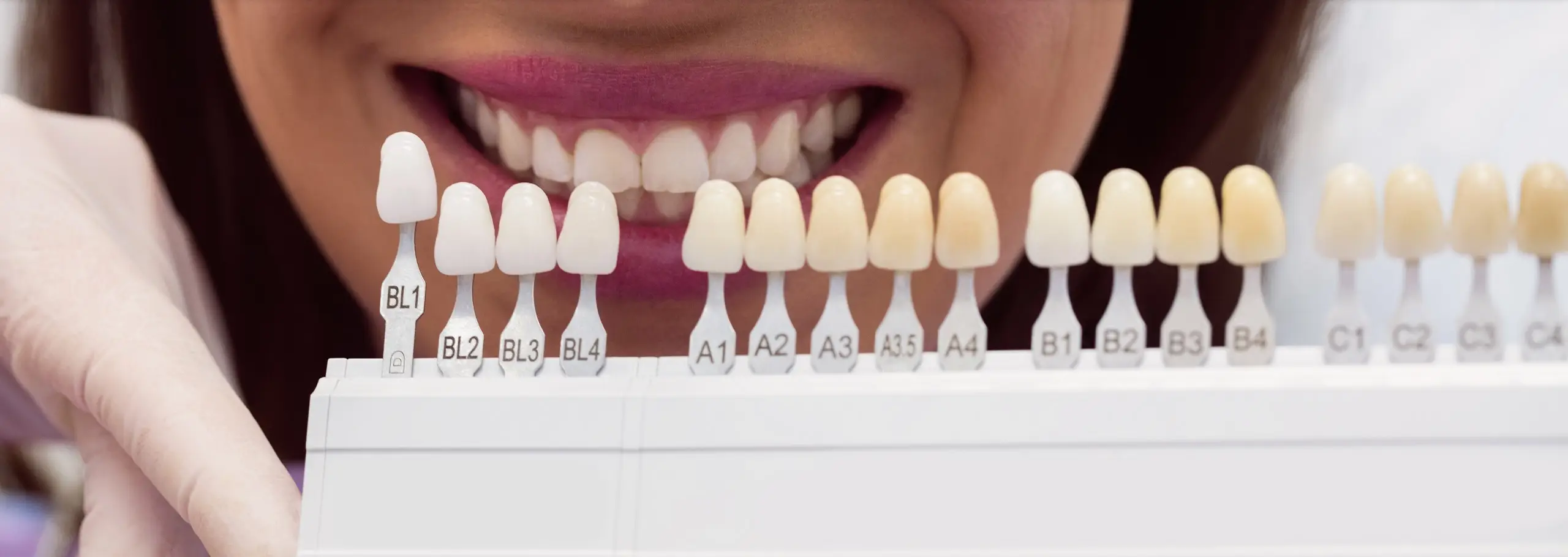
Restores the natural brightness of your teeth, eliminating discoloration caused by coffee, tea, or smoking. Clinical procedures, such as laser teeth whitening or home treatment with a custom tray, are also available.
2. Dental veneers
If you want a perfectly regular, white set of teeth, porcelain veneers provide an ideal solution. They quickly and painlessly correct cracked, discolored, or irregular teeth.
3. Aesthetic orthodontics
If you're not satisfied with the position of your teeth, modern, invisible orthodontic devices can help you achieve a straight set of teeth painlessly and discreetly.
4. Dental implants
A perfect solution for replacing missing teeth, allowing you to smile again with a complete, beautiful set of teeth. Implants look natural and are durable.
Crooked teeth?
Here are the best solutions for a straight smile!
1. Invisible orthodontics (Future smile)
Modern technology allows you to straighten your teeth discreetly and comfortably with clear aligners. During Futuresmile treatments, the aligner is almost invisible, making it a perfect solution for adults who don't want to wear traditional braces.
2. Traditional braces
This well-proven method is strong and effective, offering a solution for all kinds of dental problems. With fixed brackets, a crooked set of teeth can be straightened within months.
3. Dental veneers
If you don't want to wait many months for the results of orthodontic treatment, porcelain veneers offer a quick and aesthetic solution to cover crooked teeth, providing a smooth and straight smile.
4. Aesthetic crowns
Crowns are used not only to restore teeth, but can also be excellently applied for aesthetic purposes, especially in the case of irregular, damaged, or discolored teeth. If you want a quick, painless, and lasting beautiful set of teeth, crowns offer an ideal solution!
Bad breath?
Discover the causes and treatment options!
Bad breath, also known as halitosis, is a problem that affects many people, impacting not only self-confidence but also social relationships. However, in most cases, it can be treated and eliminated.
Possible causes:
1. Lack of oral hygiene
Inadequate brushing and oral care can cause food particles, plaque, and bacteria to accumulate between the teeth, which cause unpleasant odors.
2. Gum diseases
The bacteria of gingivitis or periodontal disease can also cause bad breath. The accumulated bacteria cause tissue damage and unpleasant odors.
3. Dry mouth (Xerostomia)
Saliva plays an important role in keeping the mouth clean. If too little saliva is produced, bacteria multiply more easily, which can result in bad breath.
4. Digestive problems
Stomach ailments, such as reflux disease (GERD), can also cause unpleasant odors, as stomach acid flows back into the esophagus.
5. Tooth decay
Untreated tooth decay can cause bad breath, as bacteria settle in the damaged teeth.
6. Smoking and diet
Smoking and certain foods, such as onions and garlic, often contribute to bad breath.
Treatment options:
1. Proper oral hygiene
Thorough brushing at least twice a day, flossing, and cleaning the tongue helps remove the bacteria and food particles that cause unpleasant odors.
2. Regular dental check-ups
It's worth visiting the dentist at least twice a year, so gum diseases, tooth decay, or other oral problems can be recognized and treated in time.
3. Use of mouthwash
The use of antibacterial mouthwashes can help reduce the number of bacteria and provide fresh breath. Choose a mouthwash specifically designed to treat halitosis.
4. Treating dry mouth
Drink plenty of water, avoid caffeine and alcohol, and if necessary, use sugar-free chewing gum or spray that stimulates saliva production.
5. Modifying your diet
Avoid excessive consumption of onions, garlic, and spicy foods. A healthy, balanced diet can improve digestion, which can also affect the freshness of your breath.
6. Special medical treatment
If bad breath is caused by a digestive problem or another illness (e.g. reflux), it's worth seeing a specialist to receive treatment for the underlying cause. Don't let bad breath affect your everyday life! Take steps towards a fresh, confident appearance!
Haven't been to the dentist in a while?
If it's been a long time since you've seen a dentist, it can have a serious effect on your oral hygiene and general health. The absence of regular dental check-ups can allow problems to develop that would have been easy to treat if recognized in time. Below, we explain why it's important to visit the dentist regularly, and what treatment options are available.
1. Progression of tooth decay
Tooth decay can initially be symptom-free, but if not treated in time, it can reach the deeper layers of the tooth, causing pain, infection, or even tooth loss.
2. Development of gum diseases
Gingivitis can easily progress to a more severe condition, such as periodontal disease (periodontitis), which can also lead to tooth loss. Regular check-ups help in the early recognition and treatment of inflammation.
3. Accumulation of plaque and tartar
Even with regular home dental care, tartar can accumulate, which can only be removed by professional dental cleaning. Tartar irritates the gum, which can cause inflammation and bad breath.
4. Bad breath and aesthetic problems
Neglected teeth and gum diseases can cause bad breath and tooth discoloration, which can lead to a lack of self-confidence in everyday life.
5. Recognition of hidden problems
During regular dental visits, not only visible problems are examined, but X-rays can also be taken, which can reveal hidden problems such as cysts, tooth root problems, or jaw abnormalities.
Treatment options:
1. Comprehensive dental examination
The first step is a thorough examination, during which the dentist assesses the condition of the teeth and gum. An X-ray may also be taken to reveal hidden problems.
2. Professional dental cleaning
Professional cleaning to remove tartar and plaque helps restore oral health. This can prevent gingivitis, and provides a fresh, clean feeling.
3. Treatment of tooth decay
If tooth decay is diagnosed, it can be treated with a filling, or in more severe cases, root canal treatment. Aesthetic fillings now provide a natural look, so the appearance of the teeth remains perfect.
4. Treatment of gum diseases
Treating gum problems may require thorough cleaning, deep cleaning (curettage), or in more severe cases, surgical intervention to restore the gum.
5. Aesthetic treatments
If the teeth are discolored or worn, we can create a beautiful smile again with teeth whitening, veneers, or crowns. These treatments improve not only the condition of the teeth, but also their appearance.
6. Dental prosthesis
If long-neglected teeth can no longer be saved, dental prosthesis options, such as bridges, crowns, or dental implants, help restore the complete set of teeth.
7. Introducing regular check-ups
After the first treatment, it's important to have regular check-ups every six months or annually. These help prevent further problems and maintain the health of your teeth.
Don't wait any longer! The sooner you see a dentist, the sooner the health of your teeth and gum can be restored, avoiding more serious interventions.
Meet Our Doctors








Thank you!
Your message has been prepared in your e-mail program – please send it so that we receive it.
Our colleague will contact you shortly at one of the contact details you provided!
Kind regards,
ProMedicum Dental Centre